Cabinet Refacing vs. Replacing: Which Should You Choose?
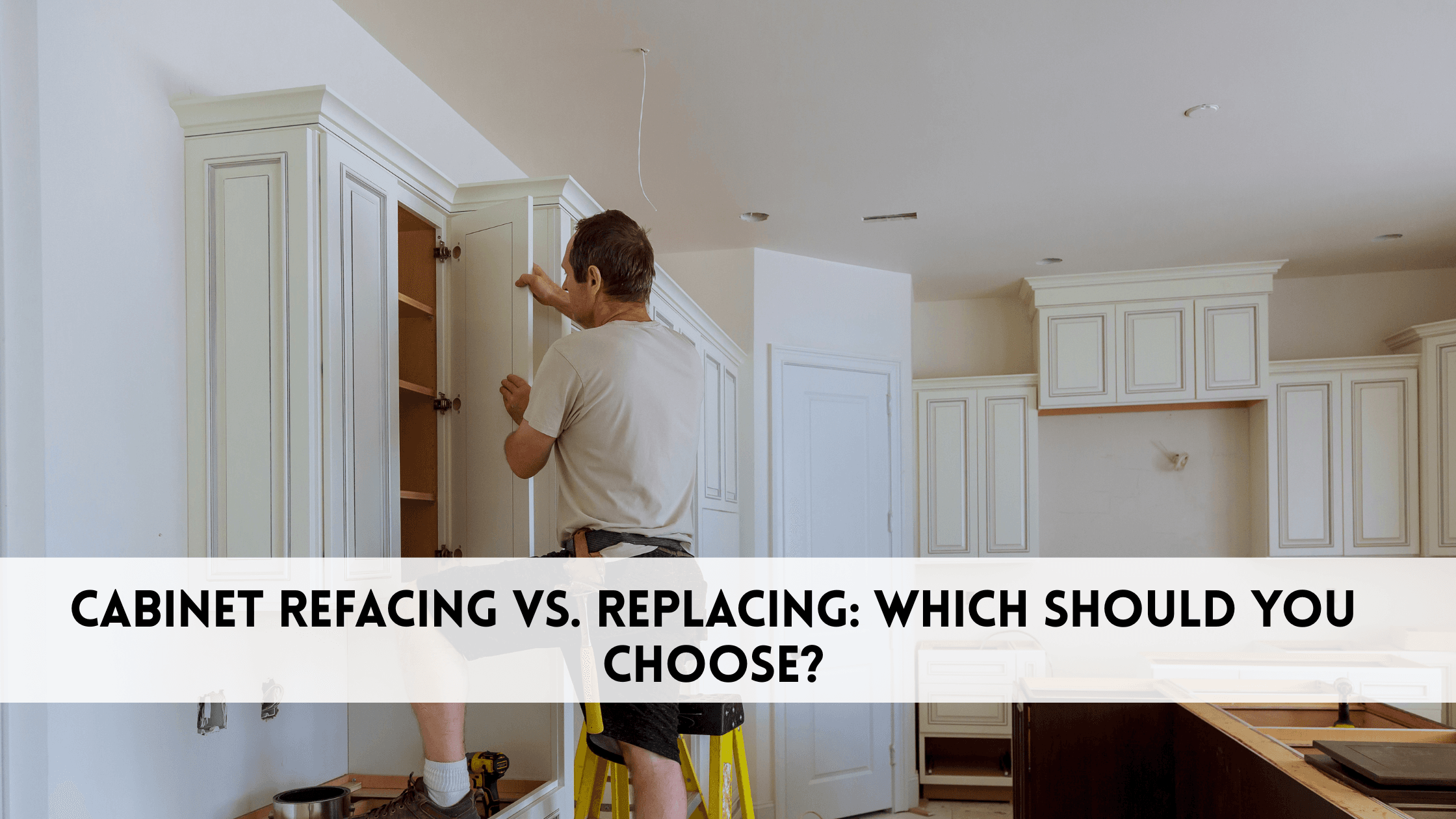
Updating your kitchen cabinets can significantly improve the appearance, functionality, and overall value of your home. However, homeowners planning a kitchen renovation often face an important decision: should they reface their existing cabinets or replace them entirely? Understanding cabinet refacing vs. replacing helps you compare costs, design flexibility, durability, and the amount of construction involved in each option. Cabinet refacing can refresh structurally sound cabinetry, while replacement offers a chance to improve storage and redesign the kitchen layout. For homeowners in Rutland, Vermont, evaluating the condition of existing cabinets and long-term renovation goals can help determine which approach offers the most practical solution.
What Is Cabinet Refacing?
Cabinet refacing updates existing kitchen cabinets without removing the entire cabinet structure. The process involves replacing cabinet doors and drawer fronts, applying new veneer or finishes to exposed surfaces, and installing updated hardware. It is ideal for kitchens with structurally sound cabinet boxes and a functional layout. Homeowners can refresh their kitchen's appearance with modern colors, styles, and finishes while reducing demolition and material waste. However, cabinets with significant water damage or structural issues may require replacement.
What Does Cabinet Replacement Involve?
Cabinet replacement involves removing old cabinetry and installing new units to improve kitchen design, storage, and functionality.
- Remove existing cabinets, doors, drawers, and hardware.
- Select new cabinet materials, styles, finishes, and designs.
- Improve storage with functional drawers, shelves, and organizers.
- Modify cabinet placement to improve accessibility and space utilization.
- Coordinate countertop, flooring, plumbing, electrical, and wall repairs as needed.
Cabinet Refacing vs. Replacing: Key Differences
Understanding the differences between cabinet refacing and replacement makes it easier to identify the right approach for your kitchen renovation.
| Comparison Factor | Cabinet Refacing | Cabinet Replacement |
| Existing structure | Retains existing cabinet boxes | Installs new cabinet units |
| Project scope | Updates doors, drawer fronts, and finishes | Replaces the cabinetry |
| Design flexibility | Primarily changes appearance | Allows broader design and layout changes |
| Storage improvements | Limited by existing configuration | Can introduce new storage solutions |
| Construction | Generally involves less demolition | Often requires more extensive demolition |
| Project duration | Usually shorter | Usually longer |
| Material waste | Typically less material removed | Typically more existing material removed |
| Best suited for | Structurally sound cabinets | Damaged cabinets or major kitchen redesigns |
The most suitable option depends on cabinet condition, renovation goals, material selections, and installation requirements. Refacing can be practical when the existing cabinetry functions well, while replacement offers more flexibility for homeowners planning substantial changes.
How Much Does Cabinet Refacing Cost Compared With Replacement?
Cabinet refacing generally costs less than full replacement because the existing cabinet boxes remain in place. In Rutland, Vermont, cabinet refacing may cost approximately 4,000–10,000, while partial cabinet replacement may range from 3,000–8,000. Full cabinet replacement can cost 8,000–20,000 or more, depending on kitchen size, materials, and labor. Refacing expenses typically include new doors, drawer fronts, finishes, hardware, and installation. Replacement costs cover new cabinetry, removal, disposal, and installation. Additional work involving countertops, plumbing, flooring, or layout changes can increase the overall budget. These figures are general estimates, so homeowners should obtain local quotes for accurate project pricing.
When Should You Choose Cabinet Refacing?
Cabinet refacing can be a practical option for homeowners who want to modernize their kitchen without undertaking a complete cabinetry renovation. The decision primarily depends on the condition of the existing cabinets and how well the current layout supports everyday use.
Your Existing Cabinets Are Structurally Sound
Cabinet refacing works best when existing cabinet boxes are sturdy, shelves remain functional, and no significant water damage exists. Sound cabinetry provides a reliable foundation for new doors and finishes.
You Want a Fresh Kitchen Appearance
It transforms your kitchen with updated cabinet doors, modern finishes, new colors, and stylish hardware. It refreshes outdated cabinetry without requiring complete replacement or extensive demolition.
You Want to Limit Construction Disruption
Cabinet refacing typically involves less demolition than full replacement, reducing material waste and construction work. It can help homeowners update kitchen cabinets while minimizing disruption during the renovation process.
Your Current Kitchen Layout Works Well
Refacing suits kitchens with functional layouts, sufficient storage, and convenient appliance access. Updating existing cabinet surfaces improves appearance while preserving the current arrangement and avoiding unnecessary structural changes.
Which Option Offers Better Durability and Long-Term Value?
The long-term value of cabinet refacing or replacement depends on material quality, installation workmanship, maintenance, and the condition of the cabinetry. Neither option automatically guarantees better durability in every situation. Refacing can provide lasting results when the original cabinet boxes are strong, and the replacement doors, veneers, finishes, and hardware are properly installed. Regular cleaning and appropriate maintenance help preserve the updated surfaces.
New cabinetry offers the advantage of replacing deteriorated components and selecting the best materials for kitchen cabinets to suit the kitchen's intended use. However, the quality of cabinet construction and installation remains important to its long-term performance.
Moisture exposure, heat, frequent use, and improper cleaning can affect both refaced and newly installed cabinets. Homeowners should compare the expected maintenance requirements, warranty coverage, material specifications, and total project costs before making a decision. For a kitchen with sound cabinetry, refacing may provide excellent value. For one with structural damage or significant functional limitations, replacement may be the more practical long-term investment.
What Should Rutland Homeowners Consider Before Deciding?
Homeowners should evaluate these key factors before choosing cabinet refacing or replacement for their kitchen renovation.
- Cabinet Condition: Check for moisture damage, deteriorated panels, and structural weaknesses.
- Budget and Project Scope: Compare refacing and replacement costs based on renovation goals.
- Materials and Maintenance: Select durable cabinet materials, finishes, and styles that suit daily use.
- Kitchen Design: Consider how cabinetry will coordinate with countertops, flooring, and appliances.
- Professional Assessment: Obtain detailed estimates covering materials, labor, installation, and additional renovation work.
Final Words
Choosing between cabinet refacing and replacement depends on your kitchen's condition, renovation budget, storage needs, and design preferences. Refacing offers an effective way to update structurally sound cabinets with new doors, finishes, and hardware, while replacement provides greater flexibility for improving storage and changing the kitchen layout.
Homeowners in Rutland, Vermont, should compare project costs, material quality, installation requirements, and long-term value before making a decision. A professional assessment can help identify the most suitable approach for your home. Careful planning of kitchen cabinet layouts can help ensure your kitchen renovation has an attractive appearance, improved functionality, and lasting value for everyday use.
Frequently Asked Questions
Is Cabinet Refacing Cheaper Than Replacing Cabinets?
Yes, cabinet refacing generally costs less because existing cabinet boxes remain in place. Replacement involves new cabinetry, removal, disposal, and installation, increasing overall renovation expenses.
How Long Does Cabinet Refacing Take?
Cabinet refacing typically takes three to five days, depending on kitchen size, materials, and customization. Project complexity and preparation requirements can affect the installation timeline.
Can Damaged Cabinets Be Refaced?
Minor cosmetic imperfections may be repairable before refacing. However, cabinets with significant water damage, weakened structures, or deteriorated materials may require replacement for lasting performance.
Does Cabinet Refacing Increase Home Value?
Cabinet refacing can improve kitchen appearance and buyer appeal. However, its impact on home value depends on workmanship, overall kitchen condition, local market expectations, and renovation quality.