When Should You Replace Flooring Instead of Refinishing?
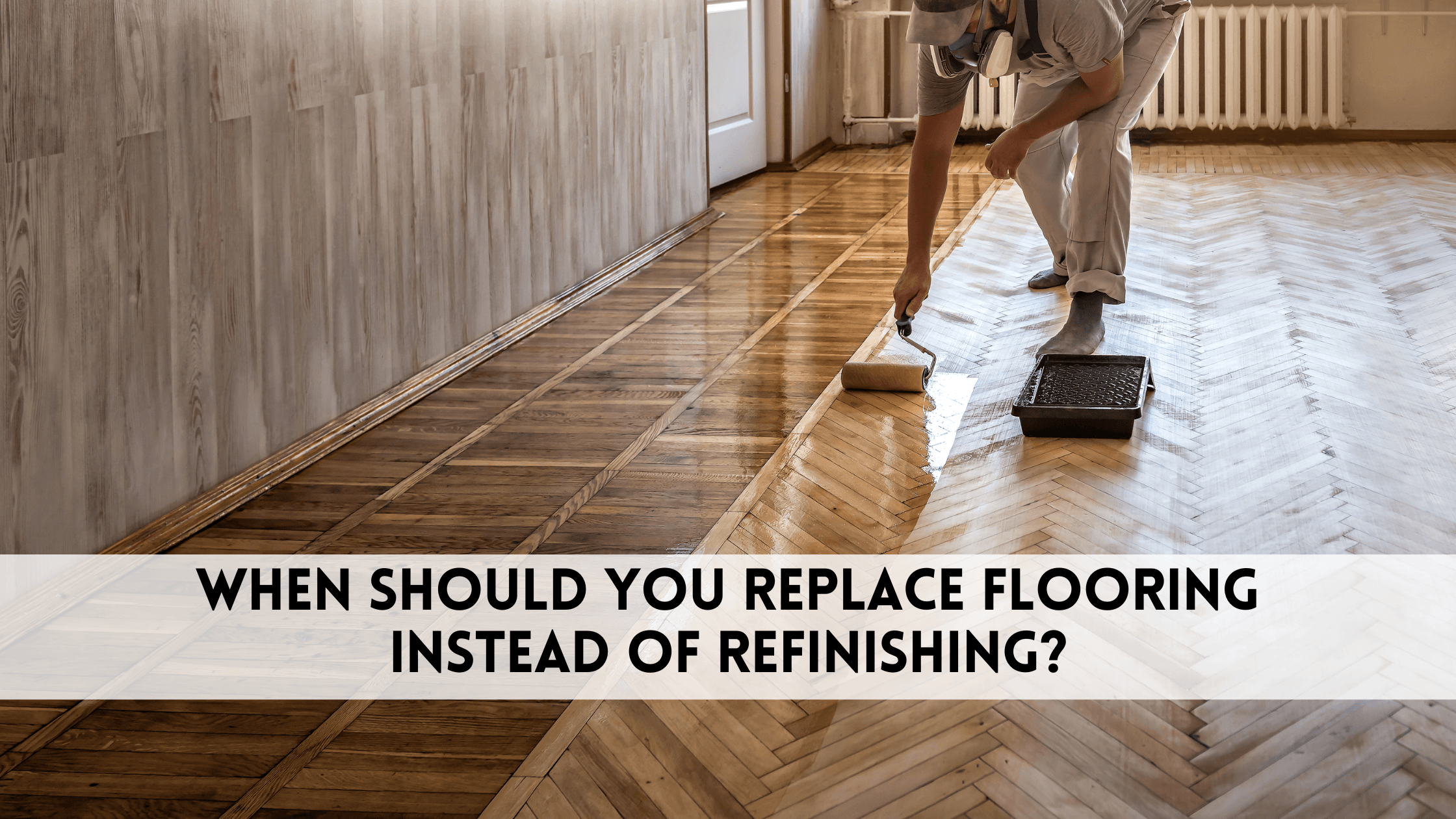
Knowing when should you replace flooring instead of refinishing can help homeowners avoid spending money on a surface treatment that will not solve deeper problems. Refinishing is often effective for structurally sound hardwood floors with scratches, dull finishes, and minor wear. However, replacing the flooring may be the better choice when boards are severely damaged, moisture has affected the subfloor, or the existing material has reached the end of its usable life. For homeowners in Rutland, Vermont, factors such as winter moisture, heavy foot traffic, entryway wear, and room-specific flooring requirements can also influence the decision. Understanding the condition of your current floor is the first step toward choosing the right solution.
How Do You Know If a Floor Can Still Be Refinished?
A floor can usually be refinished when the existing flooring is structurally sound and the damage is primarily cosmetic. Surface scratches, dull finishes, minor stains, fading, and normal wear are common issues that sanding and refinishing can address. Solid hardwood flooring is often suitable because it can typically be sanded more than once, depending on its remaining thickness and previous refinishing history. Engineered hardwood requires more careful evaluation because its top wear layer limits how much sanding it can withstand. Check for loose boards, deep gouges, severe warping, rot, moisture damage, or soft areas before choosing refinishing. If these problems are widespread, flooring replacement may provide a more practical solution. A professional inspection can determine whether refinishing or replacement is appropriate for your home.
Signs Your Flooring Has Structural Damage
Structural flooring problems can indicate that refinishing is no longer enough and floor replacement may be the safer, longer-lasting solution.
- Severe Warping or Cupping: Bent, raised, or uneven boards can indicate moisture problems or underlying damage that refinishing cannot correct.
- Soft or Spongy Areas: Flooring that feels weak underfoot may signal damaged boards, subfloor deterioration, or prolonged moisture exposure.
- Rot or Decaying Wood: Rot compromises the flooring's strength and generally requires damaged sections to be removed and replaced.
- Loose or Cracked Boards: Widespread loose planks, deep cracks, or broken boards can indicate structural deterioration beyond surface-level wear.
- Persistent Uneven Flooring: Significant dips, movement, or uneven areas may point to subfloor problems that need attention before refinishing.
When Is Refinishing No Longer Enough for Hardwood Floors?
Hardwood refinishing has limits. If a floor has already been sanded several times and there is not enough material remaining for another sanding, replacement may be necessary. Deep gouges, widespread staining, severe water damage, and extensive board deterioration can also make refinishing impractical.
Another consideration is the amount of repair required. Replacing a few damaged boards before refinishing can be reasonable, but extensive patching may produce an inconsistent appearance and increase project costs. Floors with widespread structural problems may benefit more from complete replacement.
Homeowners should also consider their design goals. If the existing hardwood no longer fits the room's style, layout, or functional requirements, replacing it can provide an opportunity to upgrade the space rather than investing in a finish for a floor they do not want to keep.
Should You Replace Flooring After Water or Moisture Damage?
Water damage does not automatically mean every floor must be replaced. The appropriate solution depends on the severity, duration, and location of the moisture exposure. Minor surface moisture may sometimes be addressed through proper drying and repair, while prolonged exposure can cause swelling, warping, staining, delamination, or deterioration.
Hardwood floors with significant cupping or structural damage may require board replacement or complete flooring replacement. Laminate and some other flooring materials can also experience swelling or damage that cannot be reversed through refinishing. Before installing new flooring, the source of the moisture should be corrected and the underlying area assessed. In Rutland homes, particular attention may be useful around entrances, basements, kitchens, bathrooms, and other areas exposed to tracked-in snow, water, or humidity.
When Is Flooring Replacement More Cost-Effective?
Flooring replacement can be more cost-effective when extensive repairs, repeated refinishing, or difficulty maintaining and protecting the existing floor make restoring it less practical.
- Extensive Repairs: If damaged boards, moisture issues, or subfloor problems require major repairs, new flooring may provide better overall value.
- Multiple Refinishing Projects: Repeated sanding and refinishing can become costly, especially when the existing hardwood has limited material remaining.
- Short Remaining Lifespan: Replacing an aging floor may make more financial sense when it is already approaching the end of its usable life.
- Changing Flooring Needs: New flooring can provide improved durability, moisture resistance, easier maintenance, and a better fit for the room.
- High Repair-to-Replacement Costs: Compare the total cost of refinishing, repairs, and future maintenance with professional flooring replacement before making a decision.
What Flooring Options Make Sense When Replacement Is Necessary?
When replacement is the better option, homeowners have several flooring materials to consider. The right choice depends on the room, expected traffic, moisture exposure, maintenance preferences, and overall design.
Hardwood flooring provides a traditional appearance and can offer long-term durability when properly maintained. Luxury vinyl plank (LVP) is a practical option for homeowners seeking durability and easy maintenance, particularly in areas where moisture resistance is important. Laminate flooring can provide wood-inspired aesthetics with a range of styles and finishes. Tile flooring is another durable option for kitchens, bathrooms, entryways, and other areas where moisture resistance is a priority. For homeowners in Rutland, Vermont, considering how a flooring material performs through seasonal changes, winter moisture, foot traffic, and everyday maintenance can help narrow the choices.
Final Words
Deciding when should you replace flooring instead of refinishing depends on the floor’s condition, construction, damage, and long-term value. Refinishing can restore structurally sound hardwood with scratches, dull finishes, and minor surface wear. However, flooring replacement may be the better option when there is severe warping, rot, extensive moisture damage, deep structural deterioration, or insufficient material for another sanding. Homeowners should also consider repair costs, maintenance requirements, desired appearance, and the expected lifespan of the existing floor. In Rutland, Vermont, factors such as winter moisture, heavy foot traffic, and room-specific flooring needs can influence the decision. Evaluating these factors before starting the project helps avoid unnecessary expenses and ensures the chosen flooring solution provides lasting performance, durability, and value for your home.
Frequently Asked Questions
Is it better to refinish or replace old hardwood floors?
Refinishing is often better when hardwood is structurally sound and mainly has surface wear. Replacement may be preferable when boards have severe damage, moisture problems, insufficient thickness, or extensive deterioration.
How many times can hardwood flooring be refinished?
There is no universal number because refinishing depends on the flooring's thickness, construction, previous sanding, and remaining wear layer. A flooring professional can assess whether sufficient material remains.
Does water damage mean flooring must be replaced?
Not always. Minor moisture damage may be repairable, while severe warping, swelling, rot, delamination, or subfloor damage can make flooring replacement the more appropriate solution.
What is the best flooring to replace damaged floors?
The best replacement depends on the room and homeowner's priorities. Hardwood, LVP, laminate, tile, and engineered flooring can each provide different benefits for durability, appearance, maintenance, and moisture exposure.