Tiles vs Laminate Flooring: Which is Better for Your Home?
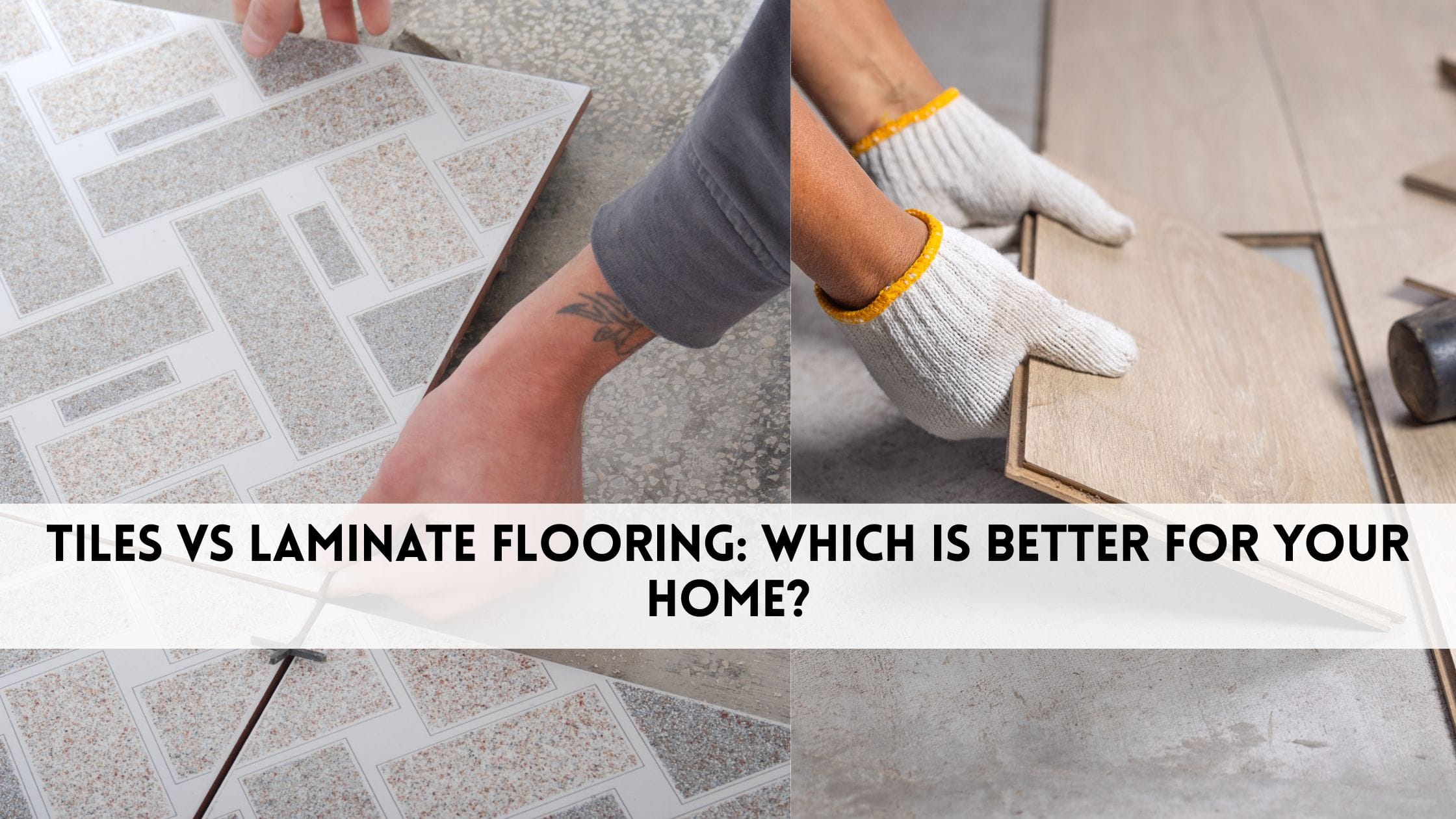
Tiles vs Laminate Flooring is a common comparison for homeowners planning a new installation or remodeling project. Both flooring materials offer distinct advantages, but the best option depends on your budget, lifestyle, maintenance preferences, and the specific room where the flooring will be installed. In Rutland, Vermont, seasonal snow, moisture, and fluctuating temperatures make it even more important to select flooring that performs well throughout the year. Tile is valued for its exceptional durability and water resistance, while laminate offers a comfortable feel, attractive wood-like appearance, and a more budget-friendly installation. This guide compares tile and laminate flooring based on lifespan, kitchen and bathroom performance, Vermont weather, and home value to help you make an informed decision.
Tiles vs Laminate Flooring: Side-by-Side Comparison
Both flooring options have strengths, but this quick comparison highlights the key differences that matter most for Rutland homeowners.
| Feature | Tile Flooring | Laminate Flooring |
| Lifespan | 40–75+ years | 15–30 years |
| Water Resistance | Excellent | Good (Waterproof options available) |
| Scratch Resistance | Excellent | Good |
| Installation Cost | Higher | Lower |
| Comfort | Hard underfoot | Warmer and softer |
| Best For | Kitchens, Bathrooms | Living Rooms, Bedrooms |
| Home Value | Higher | Moderate |
The comparison highlights the biggest differences between these two flooring materials, making it easier to select the right option for each room. One offers outstanding durability, moisture protection, and a longer service life, making it ideal for areas exposed to water and heavy daily use. The other is more budget-friendly, feels warmer underfoot, and is quicker to install, making it a practical choice for living spaces and bedrooms. Evaluating these features helps homeowners make a cost-effective, long-lasting flooring investment.
How Long Does Laminate Flooring Last Compared to Tile?
The comparison provides a clear overview of the strengths and limitations of each flooring material, helping homeowners make a well-informed decision. One option is known for its exceptional durability, excellent moisture resistance, and ability to withstand decades of daily use with minimal maintenance.
The other offers a more affordable upfront cost, a warmer feel underfoot, and a faster installation process, making it an attractive choice for many living areas. Factors such as room function, expected foot traffic, maintenance requirements, comfort, and long-term value should all be considered before making a final selection. By understanding how each material performs in different environments, homeowners can invest in flooring that complements their lifestyle, improves functionality, and provides lasting beauty for years to come.
Best Flooring for Kitchen: Tile or Laminate?
Kitchens demand flooring that can handle daily cooking, frequent foot traffic, accidental spills, and regular cleaning without losing its appearance or performance. Tile is often the preferred option because it offers excellent resistance to water, stains, heat, and scratches, making it well-suited for one of the busiest areas in the home.
Its durable surface is easy to maintain and can withstand years of everyday use. Laminate flooring provides a warmer, more comfortable feel underfoot and is typically more affordable and quicker to install. Waterproof laminate products have improved significantly, but prolonged exposure to standing water can still cause damage over time. For homeowners seeking maximum durability, moisture protection, and long-term value, tile remains the stronger choice for most kitchen environments.
Should You Use Tile or Laminate in Bathrooms?
Bathrooms require flooring that can withstand constant moisture, humidity, and frequent water exposure. Tile is the preferred choice because it is naturally waterproof, highly durable, and resistant to stains, mold, and mildew when installed correctly. It also provides a safe, low-maintenance surface that performs well for many years.
Laminate flooring can be used in bathrooms if it is specifically designed to be waterproof, but standing water or poor installation may allow moisture to penetrate the seams, leading to damage over time. For homeowners seeking long-lasting performance, easy flooring maintenance, and reliable moisture protection, tile remains the better flooring option for most bathroom applications.
Which Flooring Handles Vermont Weather Better?
Vermont's changing climate places extra demands on flooring, with snow, rain, mud, freezing temperatures, and seasonal humidity affecting long-term performance. Flooring installed near entryways, kitchens, and other high-use areas should be able to withstand moisture and frequent temperature changes without deteriorating.
Tile performs exceptionally well in these conditions because it resists water, road salt, stains, and humidity while maintaining its strength and appearance for decades. It also remains stable despite seasonal temperature fluctuations, making it a dependable long-term solution. Laminate flooring performs best in dry, climate-controlled rooms, although waterproof varieties offer improved moisture protection. However, prolonged exposure to standing water can still cause damage. For homes exposed to harsh seasonal weather, tile generally delivers greater durability, reliability, and long-term value.
Tile vs Laminate Flooring: Which Adds More Home Value?
Flooring plays an important role in a home's overall appeal and can influence its resale value. High-quality flooring creates a lasting first impression, enhances functionality, and gives buyers greater confidence in the property's condition. Tile is often viewed as a premium flooring material because of its exceptional durability, water resistance, and long lifespan.
These qualities make it especially desirable in kitchens, bathrooms, entryways, and other high-moisture areas. Laminate flooring also adds value by providing an attractive wood-like appearance at a lower cost, making it a practical option for living rooms and bedrooms. While both materials can improve the look of a home, tile generally offers a stronger long-term return on investment due to its durability, minimal maintenance requirements, and lasting performance, making it an appealing feature for prospective homebuyers.
Final Words
Selecting the right flooring requires balancing durability, maintenance, comfort, budget, and the specific needs of each room. Tile stands out for its exceptional water resistance, long lifespan, and ability to withstand heavy daily use, making it an excellent option for moisture-prone areas.
Laminate offers an affordable solution with a warm appearance, comfortable feel, and straightforward installation, making it well-suited for living spaces and bedrooms. Understanding the strengths of each material helps homeowners make a confident, long-term investment that enhances both functionality and visual appeal. Consulting a flooring professional can also ensure the best choice for your home's layout and lifestyle.
Frequently Asked Questions
Can You Put Tile Over Laminate Flooring?
No. Laminate flooring should be removed before installing tile because it is not a stable foundation. A solid subfloor helps prevent cracked grout, loose tiles, and future installation problems.
Is Tile or Laminate Better for High Traffic Areas?
Tile is generally better for high-traffic areas because it resists scratches, dents, moisture, and heavy wear, making it ideal for busy households, entryways, hallways, and kitchens.
Do Luxury Homes Use Laminate or Tile Flooring?
Luxury homes typically use high-quality porcelain, ceramic, or natural stone tile in moisture-prone areas. Premium laminate may be installed in living spaces for its attractive wood appearance and affordability.
How Much Does Tile Flooring Cost vs Laminate?
Laminate flooring generally costs less to purchase and install. Tile flooring requires higher material and labor costs but offers greater durability, longer lifespan, and stronger long-term value.
Why is Tile More Expensive Than Laminate?
Tile costs more because of higher-quality materials, specialized installation, longer installation time, and increased labor. However, its durability and longevity often justify the higher initial investment.
Tile Flooring Repair vs Laminate: Which is Easier?
Laminate flooring is usually easier to repair by replacing damaged planks. Tile repairs may require removing grout and replacing individual tiles, although properly installed tile generally requires fewer repairs over its lifespan.