How Long Does It Take Professionals To Install Laminate Flooring?
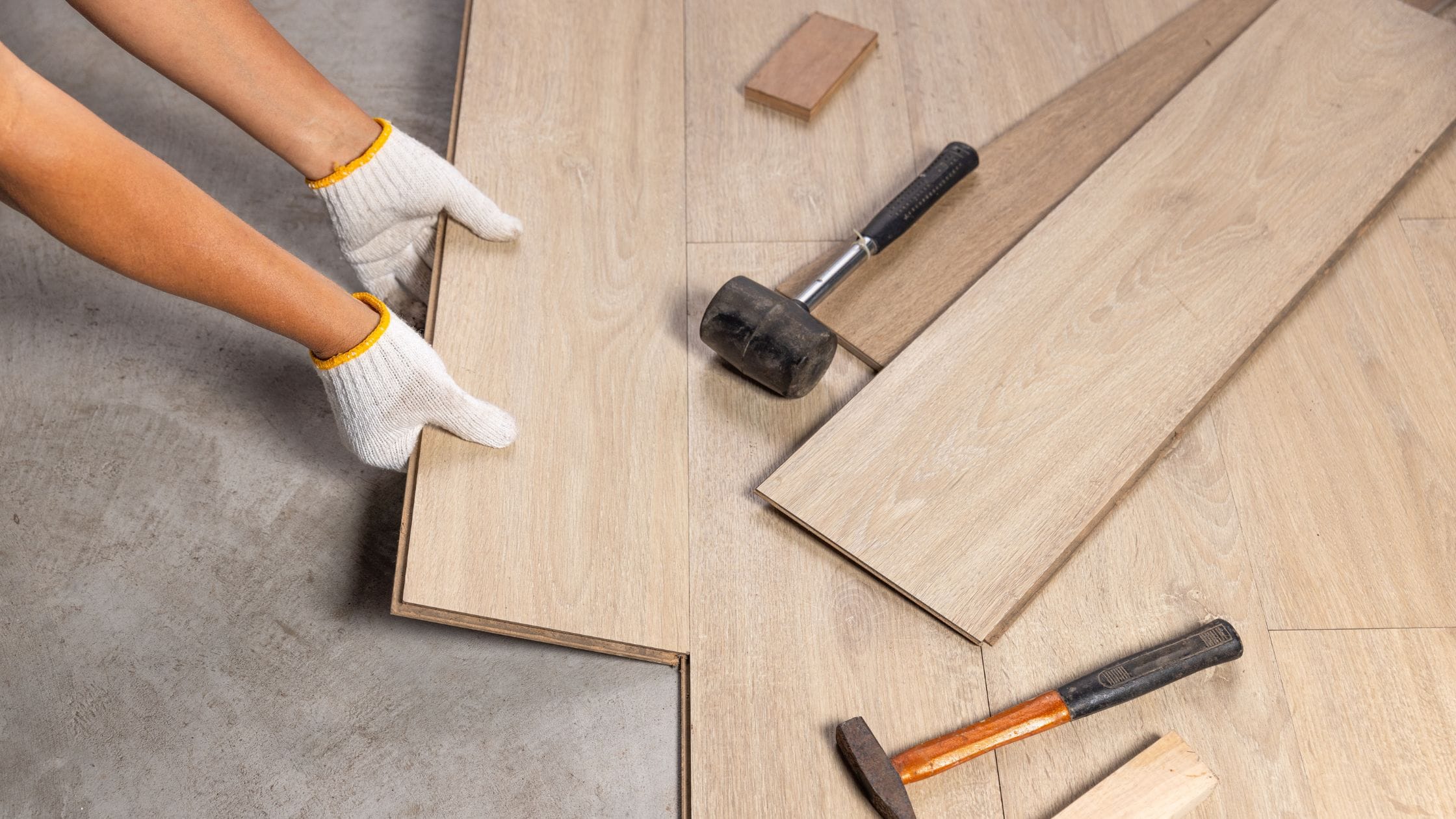
While planning a flooring upgrade, you may be wondering how long does it take professionals to install laminate flooring in your home. The timeline can vary based on factors like room size, layout complexity, subfloor condition, and preparation requirements. In Rutland, Vermont, local homes often require extra attention due to seasonal humidity changes and aging structures, which can impact installation time. Experienced installers follow a structured process that ensures efficiency, durability, and long-term performance. Understanding the full timeline, from preparation to final installation, helps homeowners set realistic expectations and ensures a smooth, hassle-free flooring project from start to finish.
Real Installation Timeline Breakdown
From our experience working in Rutland homes, here’s a realistic breakdown of the time flooring typically takes:
- Small room (200–300 sq ft): 4–8 hours
- Medium space (500–800 sq ft): 1 full day
- Large areas (1,000–1,500 sq ft): 1–2 days
- Whole home installation: 2–3 days
However, this timeline only reflects the installation phase. When you include preparation steps like subfloor repairs, old flooring removal, and acclimation, the total project duration may extend by an additional 1–2 days. In many homes, factors such as uneven subfloors or moisture control can slightly increase the overall timeframe, making professional assessment essential for accurate scheduling.
What Slows Down Laminate Flooring Installation? Key Factors
Several variables can impact how quickly your flooring project is completed:
Uneven subfloors:
Uneven subfloors significantly slow laminate installation, as professionals must level the surface to ensure durability and proper alignment. This preparation step can add several hours or even a full day.
Furniture and prep work:
Uncleared rooms delay the installation because experts must move furniture and prepare the space before starting. Proper pre-installation preparation helps reduce labor time and ensures a faster, more efficient workflow.
Complex layouts:
Rooms with tight corners, staircases, and irregular layouts require precise cutting and fitting. These custom adjustments increase installation time and demand skilled expertise to maintain a clean, seamless finish.
Moisture issues:
Moisture problems are common in Rutland, Vermont homes and can delay installation. Experts may need to install moisture barriers or address damp subfloors to prevent future damage, adding extra time to the project.
Old flooring removal:
Removing existing flooring materials like carpet, tile, or hardwood adds labor time before laminate installation begins. Proper removal and cleanup are essential to ensure a smooth, stable surface for long-lasting results.
Does Laminate Flooring Need to Sit Before Installing?
Absolutely. This essential step, known as acclimation, allows the flooring material to adjust to your home’s indoor temperature and humidity conditions. Typically, the flooring should be left to sit in the installation area for 24 to 48 hours before work begins. This is especially important in Rutland, Vermont, where seasonal climate changes can impact flooring performance. Proper acclimation helps prevent common issues such as expansion, contraction, gaps, or buckling after installation. Expert installers always include this step to ensure a stable, long-lasting installation with optimal results.
Professional vs DIY Laminate Flooring Installation Time
When comparing professional vs DIY flooring installation time, hiring experts offers clear advantages in speed, accuracy, and long-term performance. Professional installers typically complete flooring projects within 1 to 3 days, depending on the size and condition of the space. Their experience, specialized tools, and streamlined workflow allow them to handle subfloor preparation, precise cutting, and installation efficiently.
In contrast, DIY laminate installation often takes 3 to 7 days or longer due to limited experience, improper tools, and unexpected challenges. Mistakes can lead to delays, material waste, and costly repairs. Choosing a professional ensures faster completion, proper installation techniques, and durable results that add long-term value to your home.
Can Laminate Flooring Be Installed in One Day?
Yes, laminate flooring can be installed in one day under the right conditions. Installers can complete small rooms quickly when the space is clear, the layout is simple, and the subfloor is even and ready for installation. Projects with minimal furniture, no repairs, and straightforward cuts are ideal for same-day completion.
However, larger spaces or homes in Rutland, Vermont often require additional time due to subfloor preparation, moisture control, or complex layouts. To ensure proper installation and long-term durability, specialists may extend the timeline beyond one day to achieve more detailed, high-quality results.
Hidden Delays Most Homeowners Don’t Expect During Flooring Installation?
Even well-planned projects can face unexpected delays. Some of the most common include:
- Subfloor damage discovered after removing old flooring
- Door trimming and transition adjustments
- Waiting for materials to acclimate
- Last-minute layout changes
- Moisture barriers or underlayment issues
- Delays in material delivery or incorrect product quantities
- Additional time required for baseboard removal and reinstallation
Being aware of these factors helps set realistic expectations and prevents frustration during the project.
Final Words
So, how long does it take professionals to install laminate flooring? In most Rutland, VT homes, the timeline typically ranges from one to three days, depending on room size, subfloor condition, and overall project complexity. Proper preparation, including acclimation and surface leveling, plays a key role in determining the final installation time.
Choosing a proficient professional ensures the job is completed efficiently, accurately, and in accordance with industry standards. Experienced installers help prevent common issues like gaps, buckling, and uneven finishes. If you’re planning a project, requesting a cost calculation or a location-specific estimate is the best way to ensure a smooth and successful installation process.
Frequently Asked Questions
1. How long does it take to install laminate flooring in one room?
Most experts can install laminate flooring in a standard-sized room within 4 to 8 hours, assuming the subfloor is level and the space is properly prepared.
2. Does flooring need to be adjusted before installation?
Yes, flooring should sit for 24 to 48 hours in your home before installation to adjust to the temperature and humidity, preventing expansion or warping issues later.
3. Why does laminate flooring sometimes take longer than expected?
Delays often occur due to subfloor repairs, moisture issues, complex layouts, or furniture removal. Proper preparation helps minimize these unexpected time extensions.
4. Is professional laminate flooring worth the time?
Yes, specialists complete the job faster and more accurately, reducing the risk of mistakes, future damage, and costly repairs compared to DIY installation.